Showing posts with label antioxidants. Show all posts

Thursday, April 2, 2020

Fruits that Boost Your Immune System During Quarantine Pandemic


Now more than ever we need to be careful around places we go to and people that we see. In order to have a further protection from the inside we have to eat to boost our immune system. Here is a list of foods that will strengthen your immune system during this crazy time period! 

Fruits: 

Image Credits Essentials by Catalina

Acai Berry

  • This berry is loaded with anthocyanin which may provide protection from DNA cleavage, estrogenic activity, enzyme inhibition, boosting production of cytokines, anti-inflammatory activity, lipid peroxidation, decreasing capillary permeability and fragility, and membrane strengthening.
Image Credits: healthline.com

Elderberry


  • This fruit may help fight inflammation because all of the antioxidants it contains. Research shows, an extract from the berries appears to block flu viruses.

Image Credits: Real Simple

Citrus Fruit

  • Vitamin C may increase the production of white blood cells and they are key to fighting infections.


Dried Tart Cherries

The high antioxidant content in dried tart cherries may bolster the immune system, including reducing the risk of upper respiratory tract symptoms. They also have a natural melatonin that aids in getting a restful sleep.


Kiwi

Kiwi contains folate, potassium, vitamin K, and vitamin C. Vitamin C boosts white blood cells to fight infection, while kiwi’s other nutrients keeps the rest of your body functioning properly.


Image Credits: Health Line

Over 200% percent of the daily recommended amount of vitamin C in one single papaya. They also contain a digestive enzyme called papain that has anti-inflammatory effects. Papayas have great amounts of B vitamins,  folate and potassium in which all of which are beneficial to your overall health.


Image Credits: Wikipedia

Pomegranate Juice

Pomegranate juice may help your body fight bacteria and several kinds of viruses.


Image Credits: Shape.com

Watermelon

Watermelon has plenty of an antioxidant called glutathione. It powers up the immune system so it can fight infection. The most glutathione in your watermelon is near the rind and the red pulpy flesh. 


Sources:


Saturday, May 11, 2019

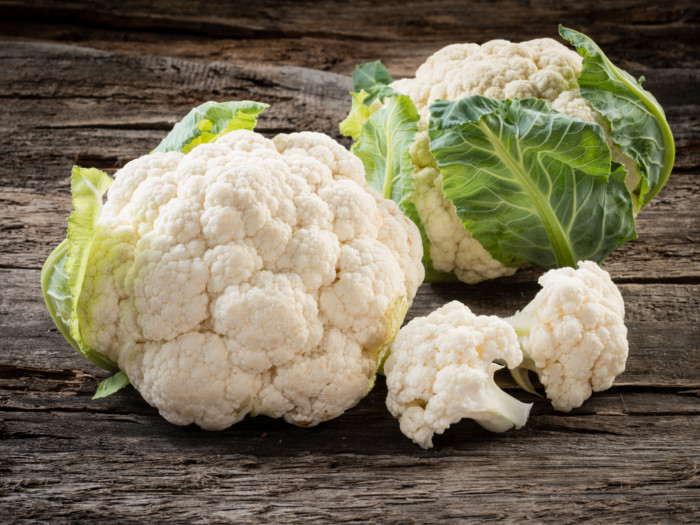
Winter Vegetables: Benefits of Cauliflower


Benefits of Eating Cauliflower

Contains Tons of Vitamins and Minerals


Cauliflower is a rich source of folate, B complex vitamins and vitamin E. It provides vital minerals such as calciummagnesiumiron, phosphorous, potassiumsodium and zinc without adding any harmful cholesterol. It is a good source of protein, unsaturated fats, and essential omega-3 fatty acids. It also provides dietary fiber and contains smaller amounts of natural sugars as compared to the other members of its botanical relatives, such as broccoli.

Provides Protection and Nourishment By Boosting the Immune System


Cauliflower has power antioxidants, such as, Vitamin C and manganese that help provide protection  and nourishment to the body. With immune-strengthening nutrients, and other healthy components, the presence of vitamin C, cauliflower in it inhibits various infections and strengthens the defense mechanisms of the body by hampering the growth of disease-causing inflammation. It also contains photochemical called glucosinates and insoles that stimulate cancer-blocking enzymes and alleviates oxidative stress and damage caused by free radicals.

Helps with Hypertension

Besides fighting free radicals, cauliflower has Vitamin K and glucoraphanin that ensures blood circulation and proper function of the blood vessels. Eating cauliflower also reduces the risk of atherosclerosis and promotes cardiovascular health. Also, vitamin K, may help in preventing bone loss in both men and women.

Great Source of Fiber, Controls Cholesterol


Cauliflower is a great source of dietary fiber. It aids in digestion and promotes the elimination of toxins from the body. The presence of glucoraphanin, glucosinolate, and sulforaphane in this vegetable protects the stomach lining and helps in resisting the growth of Heliobacter pylori bacteria. The antioxidant and anti-inflammatory properties of the glucoraphanin and sulforaphane present in cauliflower help with the levels of LDL (bad) cholesterol. It also promotes the stimulation of HDL (good) cholesterol and lowers blood pressure. 

In addition, the fiber and omega-3 fatty acids present in cauliflower also prevent hardening of the arteries. Dietary isothiocyanates in cauliflower prevent the risk of various abdominal disorders such as stomach ulcers and colon cancer.

Helps Absorb Iron and Bone Density

It helps to better absorb iron in the blood with Vitamin C present in cauliflower . This helps to increase the hemoglobin count in the body. Vitamin C, also plays an important role in the production of collagen that protects the joints and bones from inflammatory damage. 

Aids In Weight-Loss 

Cauliflower possesses anti-obesity bacteria called indoles . Studies have found that consumption of cauliflower is beneficial in preventing various inflammatory and metabolic disorders in the body. It also helps in the stimulation of fat-burning thermogenesis, aids in weight loss and prevents obesity.

Aides In Growing Healthy Babies

Including cauliflower in your diet during pregnancy is beneficial because of the presence of essential folate, which helps in healthy neural development of the baby.

Helps Keep Efficient Nuerological Communication


Cauliflower contains minerals choline and phosphorous that are both effective in repairing cell membranes. This is essential for the efficient functioning of the brain and nervous system for transmitting nerve signals. In addition, the presence of potassium and vitamin B6 in cauliflower plays an important role in maintaining brain health and promoting proper communication in the nerves

Source: Organic Facts