Showing posts with label Digestive Issues. Show all posts

Monday, October 10, 2022

Best Foods to Eat When You Are Feeling Bloated

2011 My First Photo Shoot w/ Rocking Photography

 Feeling bloated and not yourself is a very uncomfortable experience that mostly women go through at least 2 times a month naturally. Men too also experience side effects from bloating mostly from the types of foods they ingest or side effects from certain medical issues. Best way to get rid of unnecessary bloating is to eat the right types of foods that are natural diurectics. Here is a list of foods to incorporate in your diet!


Raspberries


  • Fruits:
    • Cranberries
    • Watermelon
    • Pineapple
    • Lemons
    • Grapes 
    • Peaches
    • Pears
    • Red berries
    • Tomatoes
    • Elderberry
Beets


  • Vegetables:
    • Beet
    • Cucumber
    • Onions
    • Garlic
    • Bell Pepper 
    • Cabbage
    • Horseradish
    • Pumpkin
    • Daikon
    • Kale
    • Asparagus
    • Carrots
    • Sauerkraut
    • Celery
    • Lettuce
    • Fennel
    • Rhubarb
    • Rice
    • Potatoes
    • Red Radish
Cilantro


  • Herbs:
    • Cilantro
    • Ginger
    • Mint
    • Parsley
    • Horsetail
    • Nettle Leaves
    • Dandelion
    • Mate tea
    • Coffee beans
    • Birch leaves
    • Goldenrod 


  • Sodium Intake
    • Too much sodium can lead to water retention and bloating. Reduce the amount of sodium intake in your food. 
    • Switch your sodium to sea salt. Sea salt reduces retention and eliminates bloating. Sea salt is pink, gold or black. It is not WHITE!!! White version is the more processed and will do the opposite of real and organic sea salt
    • Sea salt reduces blood pressure, inflammation, has important electrolytes the body needs, reduces muscle cramping, and keeps you hydrated! 


  • Apple cider vinegar
    • ACV is naturally acidic, and so for people with low stomach acidity, using it may help raise stomach acid levels to aid digestion.
    • ACV is also an antimicrobial substance, which means it may help kill bacteria in the stomach or intestines. Excess bacteria or bacteria in the upper intestines release gases that can lead to bloating.

Sources:

Saturday, May 11, 2019

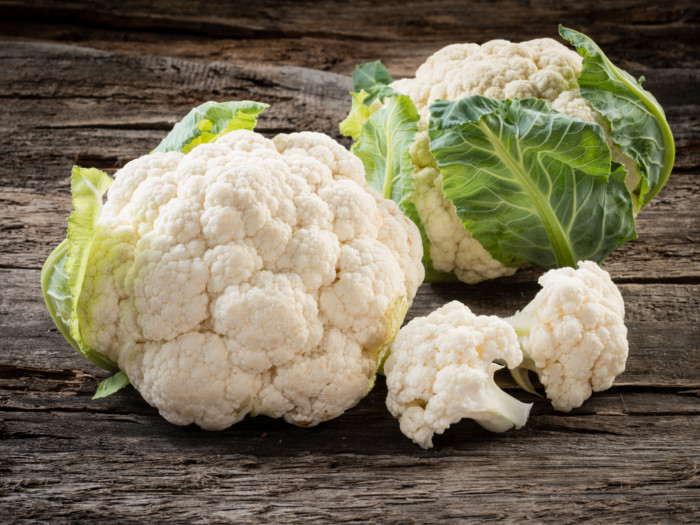
Winter Vegetables: Benefits of Cauliflower


Benefits of Eating Cauliflower

Contains Tons of Vitamins and Minerals


Cauliflower is a rich source of folate, B complex vitamins and vitamin E. It provides vital minerals such as calciummagnesiumiron, phosphorous, potassiumsodium and zinc without adding any harmful cholesterol. It is a good source of protein, unsaturated fats, and essential omega-3 fatty acids. It also provides dietary fiber and contains smaller amounts of natural sugars as compared to the other members of its botanical relatives, such as broccoli.

Provides Protection and Nourishment By Boosting the Immune System


Cauliflower has power antioxidants, such as, Vitamin C and manganese that help provide protection  and nourishment to the body. With immune-strengthening nutrients, and other healthy components, the presence of vitamin C, cauliflower in it inhibits various infections and strengthens the defense mechanisms of the body by hampering the growth of disease-causing inflammation. It also contains photochemical called glucosinates and insoles that stimulate cancer-blocking enzymes and alleviates oxidative stress and damage caused by free radicals.

Helps with Hypertension

Besides fighting free radicals, cauliflower has Vitamin K and glucoraphanin that ensures blood circulation and proper function of the blood vessels. Eating cauliflower also reduces the risk of atherosclerosis and promotes cardiovascular health. Also, vitamin K, may help in preventing bone loss in both men and women.

Great Source of Fiber, Controls Cholesterol


Cauliflower is a great source of dietary fiber. It aids in digestion and promotes the elimination of toxins from the body. The presence of glucoraphanin, glucosinolate, and sulforaphane in this vegetable protects the stomach lining and helps in resisting the growth of Heliobacter pylori bacteria. The antioxidant and anti-inflammatory properties of the glucoraphanin and sulforaphane present in cauliflower help with the levels of LDL (bad) cholesterol. It also promotes the stimulation of HDL (good) cholesterol and lowers blood pressure. 

In addition, the fiber and omega-3 fatty acids present in cauliflower also prevent hardening of the arteries. Dietary isothiocyanates in cauliflower prevent the risk of various abdominal disorders such as stomach ulcers and colon cancer.

Helps Absorb Iron and Bone Density

It helps to better absorb iron in the blood with Vitamin C present in cauliflower . This helps to increase the hemoglobin count in the body. Vitamin C, also plays an important role in the production of collagen that protects the joints and bones from inflammatory damage. 

Aids In Weight-Loss 

Cauliflower possesses anti-obesity bacteria called indoles . Studies have found that consumption of cauliflower is beneficial in preventing various inflammatory and metabolic disorders in the body. It also helps in the stimulation of fat-burning thermogenesis, aids in weight loss and prevents obesity.

Aides In Growing Healthy Babies

Including cauliflower in your diet during pregnancy is beneficial because of the presence of essential folate, which helps in healthy neural development of the baby.

Helps Keep Efficient Nuerological Communication


Cauliflower contains minerals choline and phosphorous that are both effective in repairing cell membranes. This is essential for the efficient functioning of the brain and nervous system for transmitting nerve signals. In addition, the presence of potassium and vitamin B6 in cauliflower plays an important role in maintaining brain health and promoting proper communication in the nerves

Source: Organic Facts

Monday, March 11, 2019

Winter Vegetable: Benefits of Eating Carrots


Image Credits: Burpee.com

Benefits of Eating Carrots
    Carrots are one of the most used root vegetables in the world. They are easily grown and come in many colors such as: orange, yellow, red, purple and white. The taproot is part of the carrot mostly comsumed, however the greens are edible as well. Below are a list of benefits gained from including carrots in your daily intake.

  • Regulates Cholesterol
    • Researcher found in a study that cholesterol levels dropped over 10% when at least 7 ounces of carrots were eaten each day for 3 weeks. In Sweden, it was discovered that carrots can reduce chances of having a heart attack. 
  • Eye Health
    • Carrots are rich in vitamin A, which can help difficulty of reading at night and/or night blindness. Helps prevent machelor degeneration in the elderly.
  •  Diabetes
    • Due to the presence of cartenoids, carrots can help diabetics by lowering blood sugar, regulating the amount of insulin and glucose metabolized by the body. They are great substitutes to use for daily bowel movements and liver functionality. 
  • Blood Pressure
    • Carrots are rich sources of potassium, which is vasodilator that relaxes your blood vessels allowing for better circulation and blood flow. Potassium also aids boosting all organ functions thoughout your body.
  • Immune System
    • They are a rich source of vitamin C, antiseptic and antibacterial properties. Vitamin C stimulates white blood cell activity in which strengthens the body's immune system.
  • Digestion
    • Like most root vegetables, carrots are loaded with fiber. Fiber helps stool pass smootly through the digestive tract. A healthy functioning digestive tract leads to weight loss, reduces chances of constipation and hemorroids. It also protects your colon and stomach from diseases which include cancer.
  • Oral Health
    • Carrots have beneficial antioxidant compounds and consuming them stimulates gums and produces excess salivia. Salvia's akaline properties are important to combat bacteria that otherwise would result in halitosis, cavities or other oral diseases. 
  • Stroke
    • Research has shown that eating a carrot a day reduces changes of stroke by 68%! Lutein is a cartonoid present in carrots and has been linked to brain health. A study at the University of Illinois, discovered that stroke patients with high beta-carotene levels also had the highest survival rates. 


Wednesday, October 17, 2018

The Benefits of Eating Squash


Benefits of Eating Squash


  • Full of vitamin C, magnesium, and other antioxidant compounds


  • It helps to neutralize free radicals throughout the body. Free radicals have been connected with a wide spread of illnesses, including cancer, heart diseases, and premature aging.


  • Contains high levels of vitamin A, including carotenoid phytonutrients like lutein and zeaxanthin. These help the body boost its immune response and defend against foreign substances


  • Great source of B-complex vitamins which helps boost metabolism,. Certain types of squash contain good amounts of dietary fiber and pectin. Pectin regulates blood sugar  throughout the body, making sure that the insulin and glucose activities within the body remain constant and smooth. 

  • Due to the presence of omega-3 fatty acids, carotenoids like lutein, zeaxanthin, and beta-carotene,and polysaccharides called homogalacturonan squash gives out anti-inflammatory properties to help heal the body. Anti-inflammatory effects can extend to arthritis and gout. Studies on squash have linked it to reducing gastric and duodenal ulcer reduction, and general anti-inflammation of the cardiovascular system. Inflammation in the body is closely linked to type-2 diabetes.


  • The seeds of squash can also be eaten or chewed to get a number of health benefits. These seeds have been directly connected to antifungalantimicrobial, and antiparasitic activity within the body, protecting us from a wide variety of diseases, including tapeworms and other intestinal parasites.


  • Having magnesium and potassium present in squash forms a very effective defense line against cardiovascular issues. Potassium is a vasodilator, which means that it relaxes the tension of blood vessels and arteries, thereby increasing blood flow, oxygenation and reducing the stress on the heart. The fiber found in squash is very good at scraping excess cholesterol from the walls of arteries, thereby reducing the chances of atherosclerosis, heart attack, and stroke. The high levels of folate in squash neutralize harmful levels of homocysteine that builds up in the body. Homocysteine has been linked to increased chances of developing cardiovascular diseases


  • High levels of essential vitamins found in squash is very important part of developing bone matter and bone mineral density. Squash is a valuable source of calcium, manganese, zing and other very important trace elements. This helps reduce your chances of developing osteoporosis as you age and ensure the strength and durability of your bones.


Monday, February 12, 2018

Winter Vegetables: Brussel Sprouts


Image Credits: kelliesfoodtoglow.com

Benefits of Eating Brussel Sprouts

    • Brussel Sprouts are rich in vitamin A, vitamin B6 and vitamin C. Contains an ample amount of copper, dietary fiber, vitamin K, manganese, potassium and flavonoids and polyphenolic compounds.

    • This vegetable contains more than 120% of your daily recommended amount of vitamin C. This is very important for your immune system remaining strong. Vitamin C stimulates the production of white blood cells, acts as an antioxidant in the body, reduces oxidative stress and lowers chances of chronic disease.

    • With a high level of dietary fiber, Brussel sprouts can help to bulk up stool and promote healthy digestion by reducing constipation and stimulating peristaltic motion. 

    • These cruciferous vegetables contain an antioxidant content that reduces oxidative stress caused by free radicals. Free radicals are associated with mutating healthy cells and increasing your risk of cancer.

    • Vitamin K is necessary for blood clotting throughout the body. One cup of brussels sprouts contains more than 240% of your daily recommended vitamin K which ensures your blood clots properly. It also protects heart health and boosts bone strength.

    • Active ingredients and volatile compounds affect the thyroid gland, its many functions within the body and weight. Brussel sprouts can help to regulate hormone levels in the body, which affect everything from metabolic function to digestive efficiency and energy levels.

    • Vitamin C is also an important component in collagen. Which is for the production of skin, muscle and tissue cells. Without proper levels of vitamin C, the body is unable to have a speedy recovery from illness and injury.

    • Minerals found in Brussel sprouts include manganese, copper, phosphorous and iron. All are needed to build strong bones and prevent the development of osteoporosis. By preventing bone mineral density loss, the proper diet can keep you feeling healthy and active as you age
    • An extremely important mineral in the body, potassium, acts as a vasodilator, reducing the tension and pressure of the blood vessels and arteries, in which relieves strain on the cardiovascular system. This can  possibly lower your risk of heart attack, stroke, atherosclerosis, and coronary heart disease.

    • Brussels sprouts contains glucosinolates, which regulate the body’s inflammatory response. It reduces pain from arthritis, gout, oxidative stress and other inflammatory conditions.

    • These vegetables contain ample amounts ofB-family vitamins, which includes folate, pantothenic acid, riboflavin, vitamin B2 and others. This makes Brussel sprouts a key part of a healthy metabolism.

    • Fiber found in Brussel sprouts stimulate the release of the “full” hormone leptin in the body. This helps slow down cravings, snacking between meals, cleanses your colon and bowels, and eliminates bloating and cramping.

    • Brussels sprouts can be dangerous for people who are on blood-clotting medicine, such as warfarin. Because it contains an excessive amount of vitamin K, doubling up can be dangerous and actually lead to cardiovascular complications.

    • https://www.organicfacts.net/health-benefits/vegetable/brussels-sprouts.html

Thursday, February 1, 2018

Winter Vegetables: Broccoli


Image Credits: drhealthbenefits.com

The Benefits of Broccoli

    • A vegetable that is a close relative of cabbage and cauliflower which belongs to the Italica Cultivar group of Brassicaceae family.
    •  vitamin Avitamin B6, vitamin C, vitamin K, dietary fiber, folate, manganese, phosphorus, potassiumselenium, and tryptophan. It is a rich source of glucosinolates, flavonoids and phytonutrients.
    • Broccoli may prove to be helpful with cancer by removing extra estrogen from the body. With strong anti-carcinogenic compounds like beta-carotene, diindolylmethane, glucoraphanin, selenium and other nutrients like vitamin A, C, and E, potassium, zinc and certain amino acids, which are also anti-cancer agents.
    • Broccoli a very good detoxifier with the presence of vitamin-C, sulfur, and certain amino acids. It helps to removes uric acid from the body and other free radicals and toxins,  which it purifies the blood. It also helps with other problems related to toxins such as arthritis, boils, eczema, gout, itches, hardening of the skin, rashes, rheumatism, and renal calculi.
    •  It is very rich in fiber or roughage, that can cure almost all stomach disorders by curing constipation. adds to the bulkiness of the food, retains water and forms healthy bowel movements. The magnesium and vitamins can cure acidity, promotes proper digestion and absorption of nutrients from the food and reduces inflammation.
    • It contains significant levels of beta-carotene, omega-3 fatty acids, and other vitamins that help lower bad cholesterol and keep the heart working properly by regulating blood-pressure. Steaming broccoli allows the fiber components join easier with bile, making it much more efficient to excrete. Bile reduction has a strong impact on cholesterol levels, by strengthening your heart health. In addition, potassium found in this vegetable is a vasodilator which can boost blood flow and oxygenation for the body's organs by relaxing stress and tension of veins and blood vessels.
    • The green and purple color of broccoli are from vitamin C, beta-carotene, and other vitamins and minerals, selenium, copper, zinc, and phosphorus. These are really great for boosting immune system that protects you from numerous infections.
    • Being very rich in calcium and nutrients such as magnesium, zinc, and phosphorus, broccoli beneficial for children, the elderly, pregnant women and lactating mothers. These people most prone to calcium deficiency, osteoporosis,weakening of bones and teeth.

Thursday, January 18, 2018

Winter Vegetables: Beets


Image Credits: www.organicfacts.net

Beets

One of my favorite vegetables is beets. As a child, I never tried them until I got into bodybuilding. The reason why is that I could not understand why the standard diets for competition only had: chicken, fish, broccoli, asparagus, sweet potatoes and rice. Why were these the only staples to diet down? Why are the other vegetables not included? So as I always do, I researched. The reason why most diets for bodybuilding only included these foods is because of "Bro Science" that had been passed down over the years from other prior bodybuilders. No one had never decided there has to be something better than only these foods. In addition, only eating these foods limits your sources of nutrition, vitamins and minerals. Your body needs a variety of vegetables in order to function properly. Especially, when you are under a highly restrictive diet and over training. 

Benefits of Beets
    • Contains betaine, carotenoids, copper, dietary fiber, glycine, iron, lutein/zeaxanthin, magnesium, phosphorus, and vitamin C. It is also a source of beneficial flavonoids called anthocyanins. They are low in calories, without cholesterol, however they do have the highest sugar content of all vegetables.
    • Commonly used to aid treatment of anemia, cancer, constipation, dandruff, gallbladder disorders, indigestion, kidney disorders, heart diseases and piles. They also help to prevent macular degeneration, prevent cataracts, aid in skin care, improve blood circulation, and treat respiratory problems.
    • Beets contain a rich amount of carbohydrates and provides energy for endurance sports.  It provides energy metabolism without any of the negative side effects like many other carbohydrate-heavy foods. When the body has a sufficient amount of carbohydrates, it has enough fuel necessary for the body to function well. In addition, maintains the important metabolic reactions that keep your organ systems functioning efficiently.
    • Caution: People with kidney or gallbladder problems should avoid beet because they could heighten the production of kidney and bladder stones.
    • Source: https://www.organicfacts.net/health-benefits/vegetable/beets.html